

A 45 Nm electric bike and a 60 Nm electric bike can both use a 250 W motor, yet feel different when starting, climbing or carrying a load. For many city journeys, 45 Nm may be enough. Regular hills or heavier loads can make 55 or 60 Nm more useful.
Those figures are only a starting point. Terrain, total weight, motor design, gearing and sensor response determine how the assistance feels on the road.
What is torque on an electric bike?
Torque is the turning force produced by the motor. Electric bike specifications express it in newton metres, written as Nm. You tend to notice it most when moving away from a stop, riding uphill or adding weight.
A higher figure generally means more available turning force. It does not tell you the bike's speed, range or guaranteed climbing ability. Use Nm to compare low-speed support, then look at the motor, gears, sensor, battery and bike weight.
Torque figures should also be compared carefully. Manufacturers may describe maximum, peak or nominal values, and test methods are not always presented in the same way. Compare figures within the same product range more confidently than assuming every published Nm value was measured under identical conditions.

Torque and motor power are not the same
Motor power is measured in watts; torque is measured in newton metres. Watts describe the rate at which energy is delivered, while torque describes turning force.
Two 250 W motors can therefore list different torque figures. Internal design, rotational speed and controller settings can give one motor a stronger low-speed response than another with the same rated power.
Torque does not set the legal assistance speed. A higher Nm figure does not mean that the motor will continue assisting beyond the speed permitted for the bike and market.
What does more torque change?
All else being equal, additional torque can provide more support in situations such as:
- starting from a stop
- setting off on an incline
- riding through repeated changes in gradient
- carrying a rider, luggage and accessories
- accelerating again after slowing down
More torque does not replace a suitable mechanical gear, correct tyre pressure or rider effort. Nor does it guarantee a particular climbing angle, which depends on total weight, surface, speed, battery state and test conditions.
Is 45 Nm enough for an electric bike?
For many everyday journeys, 45 Nm can provide useful assistance. It can suit city riding, regular commuting, paved cycle routes and moderate changes in elevation, particularly when the rider uses the gears well.
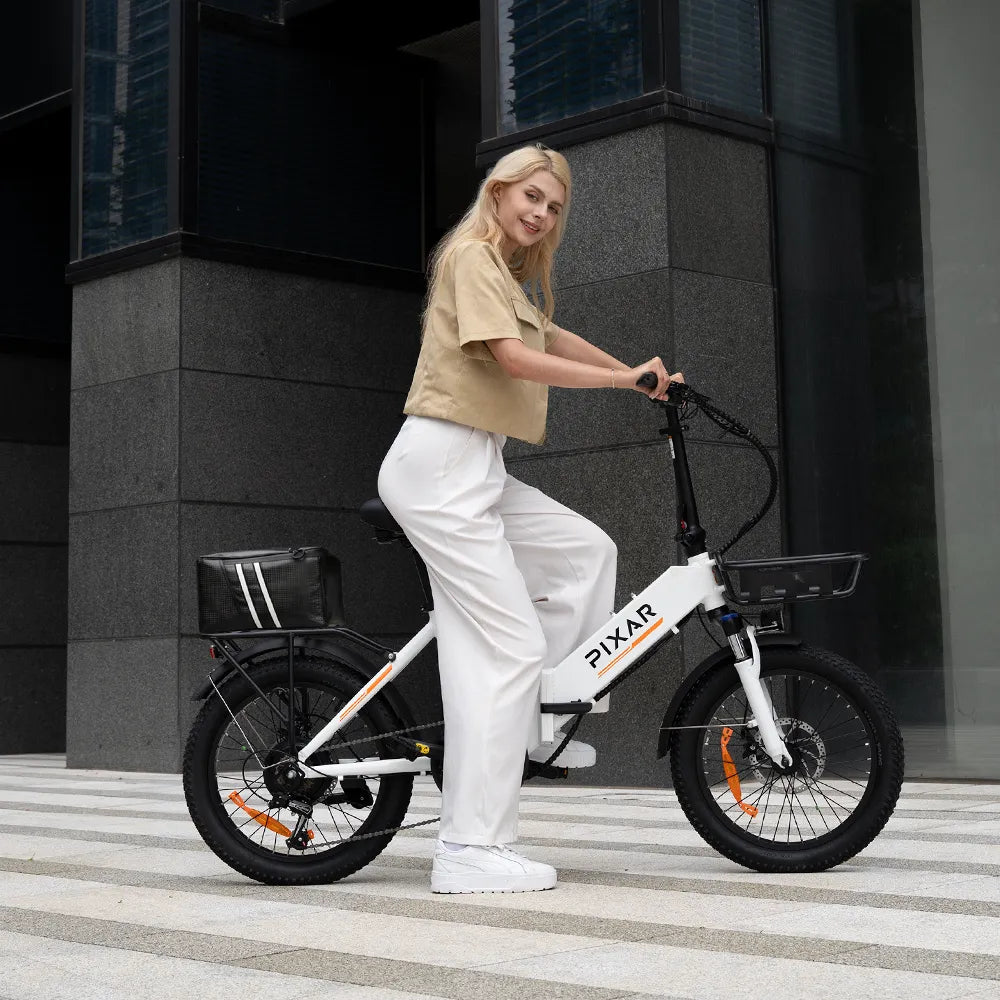
PIXAR currently lists 45 Nm for C1, C1 Pro, Cruiser and Rusher. They share a torque figure but differ in frame, folding format, battery, brakes and equipment. The PIXAR C1 Pro, for example, is a city model; its fit and everyday features matter as much as its motor figure.

When can 55 Nm be useful?
The extra turning force of 55 Nm may be useful on rolling terrain, longer mixed-surface journeys or rides with luggage. PIXAR lists 55 Nm for Forge and Largo: one is a folding model, while the PIXAR Largo is a touring bike with a torque sensor and Shimano CUES 9-speed drivetrain. It is the more relevant comparison if you value progressive assistance across changing gradients.
Who might consider 60 Nm?
60 Nm provides more maximum turning force than 45 or 55 Nm within the PIXAR range. It may be useful for frequent starts, heavier combined loads or more demanding changes in gradient.
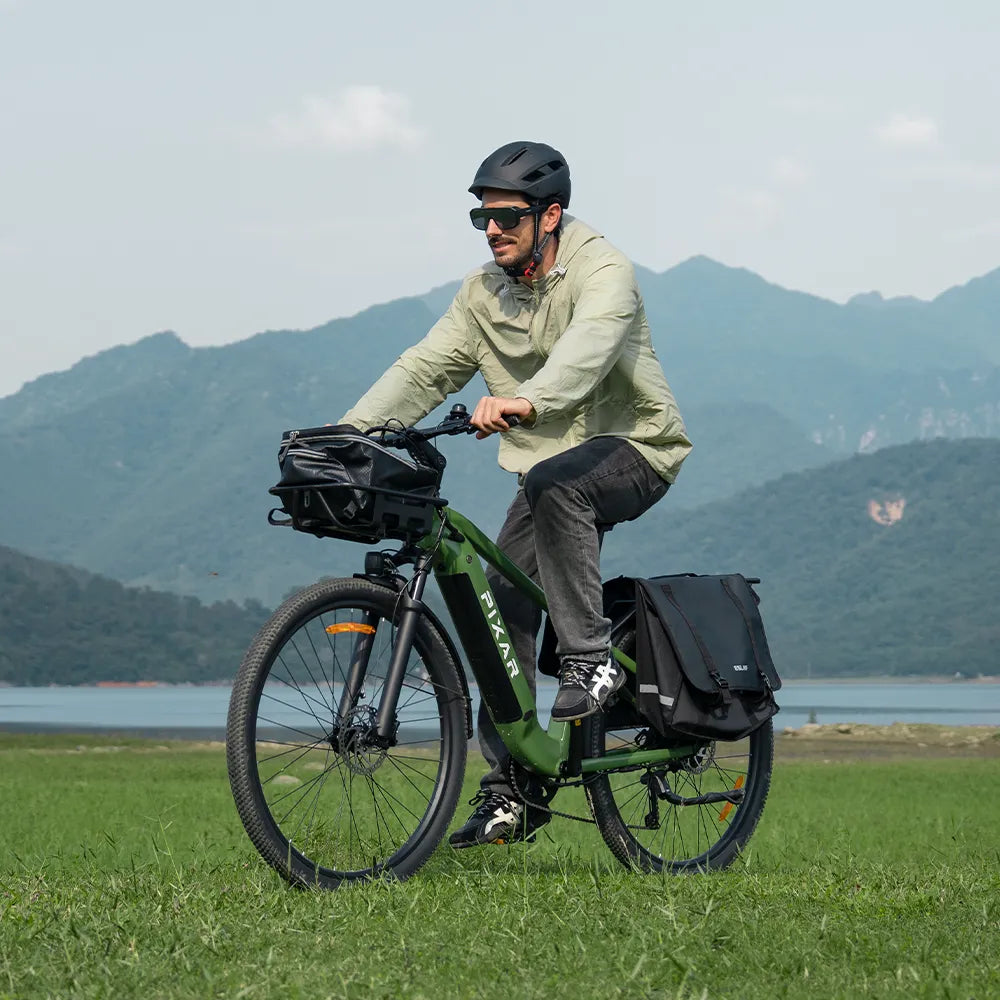
The PIXAR M9 pairs 60 Nm with a 250 W rear hub motor, Shimano 7-speed gearing and a dual-battery system. Its official 350 kg load limit covers the rider, cargo and fitted accessories together; it is a maximum, not a recommended target. The M9 is also substantially different in size, weight and storage needs from a city bike, so torque should not make the decision on its own.

PIXAR electric bikes by torque
| Listed torque | Current PIXAR models | Useful comparison question |
|---|---|---|
| 45 Nm | C1, C1 Pro, Cruiser, Rusher | Which frame, folding format, brakes and battery best suit your regular city or leisure journeys? |
| 55 Nm | Forge, Largo | Do you need a folding format or a touring setup with a torque sensor and wider gear range? |
| 60 Nm | M9 | Do the retro format, higher permitted load and dual-battery system match how you will use and store the bike? |
The table reflects current published specifications. Check the exact product version before ordering.
Five factors that decide how much torque you need
1. Terrain
Look at the whole journey rather than one short hill. Repeated gradients can make extra torque and a suitable gear range more valuable than they are on a flat city route.
2. Total riding weight
Include the rider, luggage, locks, baskets and other fitted accessories. A heavier total load requires more effort to accelerate and climb. Always remain within the official load limit of the exact model.
3. Your preferred effort
Two riders on the same route may want different support. If you enjoy contributing more pedal force, you may need less motor assistance than someone seeking more help with starts and hills.
4. Mechanical gearing
An easier gear helps you turn the pedals on a climb. Extra torque is not a substitute for shifting. Our guide to how pedal assist works explains how the sensor, controller, motor and gears interact.
5. Motor and sensor behaviour
A hub motor and a mid-drive motor do not deliver torque through the bicycle in the same way. Sensor type also changes how assistance arrives. Our comparison of torque and cadence sensors explains the difference between pedal pressure and crank-rotation sensing.
Does a higher torque motor use more battery?
A higher-torque motor does not use its maximum output at every moment. Battery use depends on the assistance selected, acceleration, terrain, tyre pressure, temperature and load. Battery capacity, torque and range describe different things.
A rider using moderate assistance on a 60 Nm system may consume less energy than someone repeatedly requesting maximum support from a lower-torque system. Nm alone cannot predict range.
Is higher torque always better?
No. A bike with more torque may also be heavier, larger or designed for a different purpose. Strong assistance can be unnecessary on flat routes if your priority is a light, simple city bike.
Look for controlled delivery as well as maximum output. Assistance should begin predictably, remain manageable at low speed and stop promptly when required. The lowest assistance level can tell you as much about everyday usability as the maximum torque figure.
Compare the bike, not just the torque figure
Before buying, note your steepest regular gradients, expected rider and cargo weight, preferred effort and storage limits. Then compare motor position, sensor, gears, battery, brakes, frame access and bike weight.
Browse the current PIXAR electric bike range to compare 45, 55 and 60 Nm models. Choose the bike that fits your route and daily use, not simply the largest torque number.
Frequently asked questions
Is 45 Nm enough for an electric bike?
It can be enough for many city, commuting and leisure routes. Terrain, total load, gearing and the amount of rider effort all affect the result, so 45 Nm should be assessed as part of the complete bike rather than as a guarantee.
Is 60 Nm good for an electric bike?
60 Nm can provide useful support for starts, changing gradients and heavier combined loads. Whether it is the right choice still depends on bike weight, motor design, gearing, sensor response and your usual route.
Does more torque make an electric bike faster?
Not necessarily. Torque influences turning force and low-speed response, while assistance speed is governed separately by the bike's design, controller and applicable rules. A higher Nm figure does not by itself raise the assisted speed limit.
Is torque more important than watts?
They describe different aspects of motor performance. Watts describe power, while Nm describes turning force. Both should be considered with the motor position, gearing, sensor, battery and intended use.
Does rider weight affect how much torque is needed?
Yes. A higher combined weight requires more effort to start and climb. Include the rider, luggage and accessories, stay within the model's permitted load and consider terrain and gearing as well as torque.